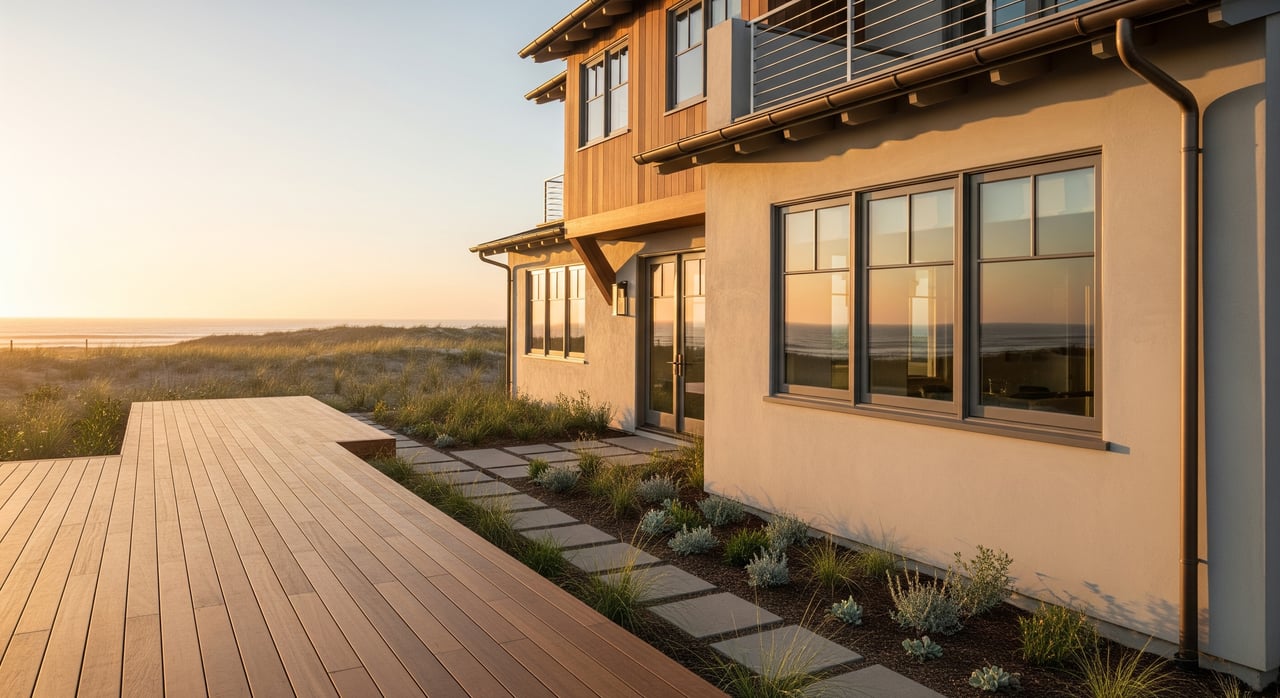
Salt, sun, and onshore breezes make Playa del Rey living special, but they are tough on a home. If you own near the beach, you already know the salty air finds its way onto every surface and into every system. The good news is that a smart, routine maintenance plan can protect your investment and support future resale value.
This guide breaks down what coastal air actually does to your property, the key tasks to prioritize, and the best materials for long-term durability. You will learn what to check and when, which upgrades pay off, and how to plan work so your home lasts longer and shows better when you decide to sell. Let’s dive in.
Why Playa del Rey is unique
Playa del Rey sits in a low-lying, beach-adjacent pocket of Los Angeles with frequent marine layer, mild temperatures, and elevated morning humidity compared with inland areas. Those conditions carry salt aerosols inland, which accelerate corrosion on metal parts and shorten the life of exterior finishes. Persistent moisture on shaded surfaces also encourages mildew and algae.
Industry standards classify coastal air as high corrosivity. In practice, that means you should assume metal and coatings will wear faster than inland and plan your materials and maintenance accordingly.
Your coastal maintenance schedule
The closer you are to the sand and the more wind exposure you have, the more often you should complete these tasks. Increase frequency after storms or if you see early signs of rust or growth.
Ongoing: monthly to quarterly
- Inspect exterior metalwork, railings, deck hardware, and gutters. Look for rust spots, pitting, or loose fasteners.
- Rinse or sweep salt and sand from entryways, decks, and horizontal surfaces. Clean more often after heavy onshore winds.
- Replace HVAC filters every 1 to 3 months. Coastal homes typically need more frequent changes than inland.
- Clear window and door weep holes to keep drainage paths open.
Seasonal: every 6 to 12 months
- Rinse or soft wash exterior siding, windows, decks, and metal components to remove salt deposits. Use low pressure and mild detergent if needed.
- Clean AC condenser coils and fan assemblies. Schedule professional HVAC service.
- Inspect the roof. Check shingles or tiles, flashing, seams, valleys, and gutters. Remove debris and salt buildup.
- Check your water heater’s anode rod and any sacrificial devices per manufacturer guidance.
- Inspect deck boards, railings, and under-structure. Tighten or replace any corroded fasteners.
Larger cycles: every 3 to 10+ years
- Repaint or recoat exterior finishes. Expect shorter paint life near the ocean, often 3 to 7 years depending on exposure and product quality.
- Plan for earlier HVAC outdoor unit replacement than inland homes. Discuss corrosion-protection coatings with your technician.
- Replace or upgrade windows and doors if you see frame corrosion, failing seals, or operability problems.
Exterior cleaning that works
Regular rinsing is your first line of defense. A fresh water hose-down lifts salt off surfaces before it can draw moisture and start corrosion.
- Use low pressure to protect older stucco or delicate finishes.
- Try a mild detergent or soft wash formula if you see grime or light biological growth.
- Avoid harsh chemicals on unknown finishes without a small test spot.
Metals and fasteners that last
Metal choice can make or break coastal durability. Focus on corrosion resistance and compatible pairings.
- Choose stainless steel Type 316 for exterior fasteners, railings, cable systems, and exposed hardware. It offers superior resistance to chloride pitting.
- If you must use steel, specify hot-dip galvanized coatings and paint over them with a quality primer and UV-resistant topcoat.
- Avoid contact between dissimilar metals without barriers to reduce galvanic corrosion. Insulating washers or gaskets can help.
- For treated lumber, use stainless steel fasteners approved by the manufacturer.
Roof care priorities
Roofs take a beating from wind, UV, and salt accumulation. Routine inspection extends life and prevents leaks.
- Clear gutters and downspouts often. Salt sitting in gutters accelerates corrosion of metal components and flashing.
- Watch for paint undercutting on metal roofs and seams. Recoat with marine-grade systems when needed.
- Durable roof options include clay or concrete tile, standing-seam metal with coastal coatings, and high-quality asphalt architectural shingles rated for wind and UV.
Windows and doors in salty air
Windows and doors are frequent failure points in coastal homes. Focus on frames, seals, and drainage.
- Favor vinyl (uPVC) or fiberglass frames to avoid aluminum corrosion issues. If you choose aluminum, select thermally broken frames with coastal-rated finishes.
- Confirm products meet recognized performance testing for water and forced entry. Use stainless or corrosion-resistant hardware and hinges.
- Keep tracks clean, flush weep holes, and lubricate moving parts with manufacturer-recommended corrosion-inhibiting products.
- Replace worn weatherstripping and re-caulk as needed with high-performance exterior sealants suitable for marine exposure.
HVAC and mechanical protection
Salt air shortens the life of outdoor equipment unless you stay ahead of it.
- Clean condenser coils and fins at least every 6 to 12 months and after major wind events.
- Ask your HVAC pro about protective coil coatings, screens, or sacrificial anodes where practical.
- Elevate units above splash zones and ensure clear airflow.
- If housings or compressors show visible corrosion, evaluate protective treatments or plan for earlier replacement.
Decks and exterior wood
Wood weathers faster near the beach, and fasteners fail earlier without attention.
- Refinish exposed wood more frequently to block moisture and UV. Inspect for rot and structural softening.
- Use stainless steel Type 316 or hot-dip galvanized hardware rated for coastal use.
- For decking, tropical hardwoods can perform well if maintained. High-quality capped composites are another option. Follow each manufacturer’s coastal warranty and maintenance guidance.
Siding, stucco, and coatings
Your exterior skin is your home’s protective shell. Choose breathable, durable finishes.
- For stucco, elastomeric or high-build acrylic coatings formulated for marine exposure help resist cracking and moisture.
- Fiber cement siding performs well when painted and maintained. Seal all edges and cut ends.
- Avoid untreated softwoods on exposed faces. Select pre-finished products or naturally durable species where possible.
Site drainage and landscape tips
Moisture control is as important as salt control.
- Keep drainage paths clear so water does not pond near foundations or wood.
- Use salt-tolerant plantings on windward sides and place more sensitive species farther from direct spray.
- Avoid irrigation overspray on exterior walls and metal components.
Permits, insurance, and resale
Planning ahead protects value and reduces surprises when you decide to sell.
- Check flood risks for low-lying parcels using official flood maps and local hazard resources. Sea-level rise scenarios are useful for long-term planning.
- Roofing, window replacements, and structural work in Los Angeles generally require permits under the California Building Code and local amendments. Verify requirements with the Los Angeles Department of Building and Safety before starting work.
- Coastal homes often carry higher homeowners and flood insurance premiums. Insurers may require loss-mitigation measures like wind-rated windows or roof tie-downs.
- Keep records of maintenance, materials used, and any coastal-rated warranties. Clear documentation and durable upgrades can support buyer confidence and resale.
Warning signs to address now
- New or spreading rust stains, pitting, or bubbling paint on metal parts.
- Paint blistering, chalking, or peeling on windward walls.
- Stiff or sticking windows and doors, or clogged weep holes.
- Water intrusion around sills, roof flashings, or penetrations.
- Persistent standing water near foundations or planters.
- Loose or failing deck fasteners and shaky railings.
When to call a professional
- You see structural concerns, roof leaks, or repeated water intrusion.
- HVAC units show electrical or mechanical issues after salt exposure.
- Corrosion is affecting railings, structural metal, or critical fasteners.
- You are planning major exterior work and need coastal-grade specs and code compliance.
Value-focused game plan
If you are weighing future resale, plan your maintenance with buyers in mind. Use coastal-rated materials and document product specs, warranties, and service dates. A home with clean records, fresh coatings, corrosion-resistant hardware, and smooth-operating windows and doors signals lower ownership risk.
Small steps add up. A quarterly rinse routine and an annual roof, HVAC, and deck inspection can prevent expensive repairs. When you are ready to talk strategy, local guidance tailored to Playa del Rey’s microclimate can help you prioritize the right projects.
Ready to protect your home’s value or plan pre-sale improvements? Connect with Robin Zacha for a personalized coastal maintenance and value-add roadmap.
FAQs
How often should I repaint a Playa del Rey home near the ocean?
- Expect shorter paint cycles than inland, often 3 to 7 years depending on exposure and product quality. Use marine-capable coating systems and touch up early failures to extend life.
What stainless steel grade should I use for exterior hardware?
- Choose Type 316 stainless for exterior fasteners, railings, and exposed hardware. It offers better chloride resistance than Type 304 in coastal conditions.
Are vinyl or fiberglass windows better than aluminum by the beach?
- Vinyl and fiberglass avoid aluminum’s corrosion challenges and are strong coastal choices. If you select aluminum, insist on thermally broken frames with coastal-rated finishes and stainless hardware.
How can I protect my AC unit from salt near Playa del Rey?
- Clean coils every 6 to 12 months, consider manufacturer-approved protective coatings and screens, elevate the unit above splash zones, and schedule routine professional service.
Does distance from the beach change my maintenance frequency?
- Yes. Homes closer to the shoreline or with stronger wind exposure need more frequent rinsing, inspections, and filter changes. Increase intervals after storms or when you spot early corrosion.