Thinking about fixing up your Westchester home before you list? The right updates can help you sell faster and for more, but the wrong ones can eat your budget and time. In a micro-market near LAX, LMU, Playa Vista, and Marina del Rey, small choices make a big difference. In this guide, you’ll learn the most common presale renovation pitfalls in Westchester, how to decide what to do, and the local steps that keep your sale on track. Let’s dive in.
Why Westchester’s micro-market is different
Westchester draws commuters, LMU-connected families, and tech professionals who want Westside access at a relative value. Buyers compare your home to the closest recent sales on your block or tract, not to luxury neighborhoods nearby. Proximity to airport flight paths, smaller lots, and parking constraints shape what buyers value. Indoor-outdoor flow, usable outdoor space, and low-maintenance landscaping are often top of mind.
Pitfall 1: Over-improving for the block
Spending big on custom cabinetry, luxury appliances, or a full architectural overhaul can push your home above the price band buyers expect on your street. In Westchester, most buyers weigh location and value more than ultra-high-end finishes. If you go far beyond nearby comparable sales, you may not recoup the cost. Base your scope on recent comps within your immediate micro-market and the highest sale on your block or tract.
How to avoid it
- Pull 6 to 12 recent comparable sales near you and study photos, finishes, and pricing.
- Match the upgrade level of the properties that sold quickly at or above asking.
- Keep a clear budget cap tied to the neighborhood price ceiling.
Pitfall 2: Poor project sequencing
Doing work in the wrong order causes delays and do-overs. Common errors include refinishing floors before resolving a roof leak, painting before electrical fixes, or listing while work is still in progress. Buyers notice unfinished projects, and appraisers may not give full credit for incomplete improvements. Plan the order of operations and leave cosmetic work and staging for last.
Recommended order
- Market analysis and scope decisions with your agent.
- Structural, safety, and systems repairs with permits as needed.
- Major interior changes that involve walls, electrical, or plumbing.
- Inspections and sign-offs for permitted work.
- Flooring, cabinetry, and permanent fixtures.
- Interior and exterior painting.
- Landscaping, curb appeal, and deep cleaning.
- Staging, professional photography, and listing.
Pitfall 3: Weak curb appeal
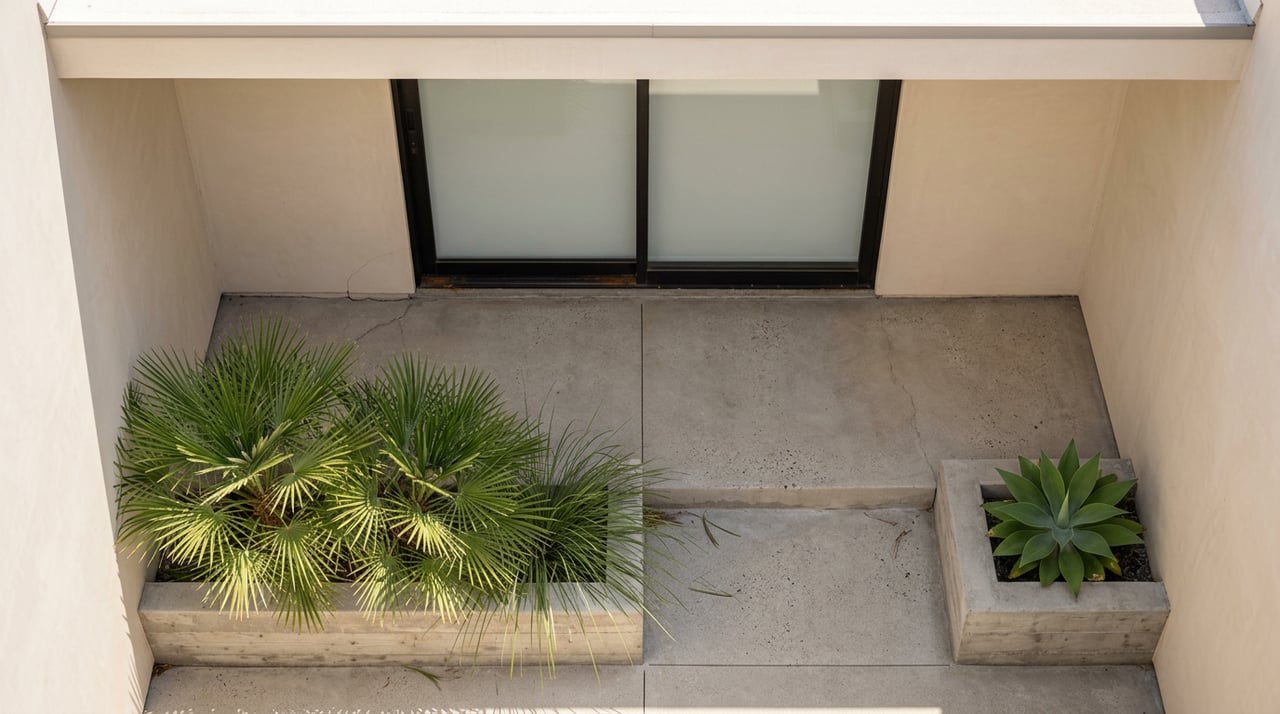
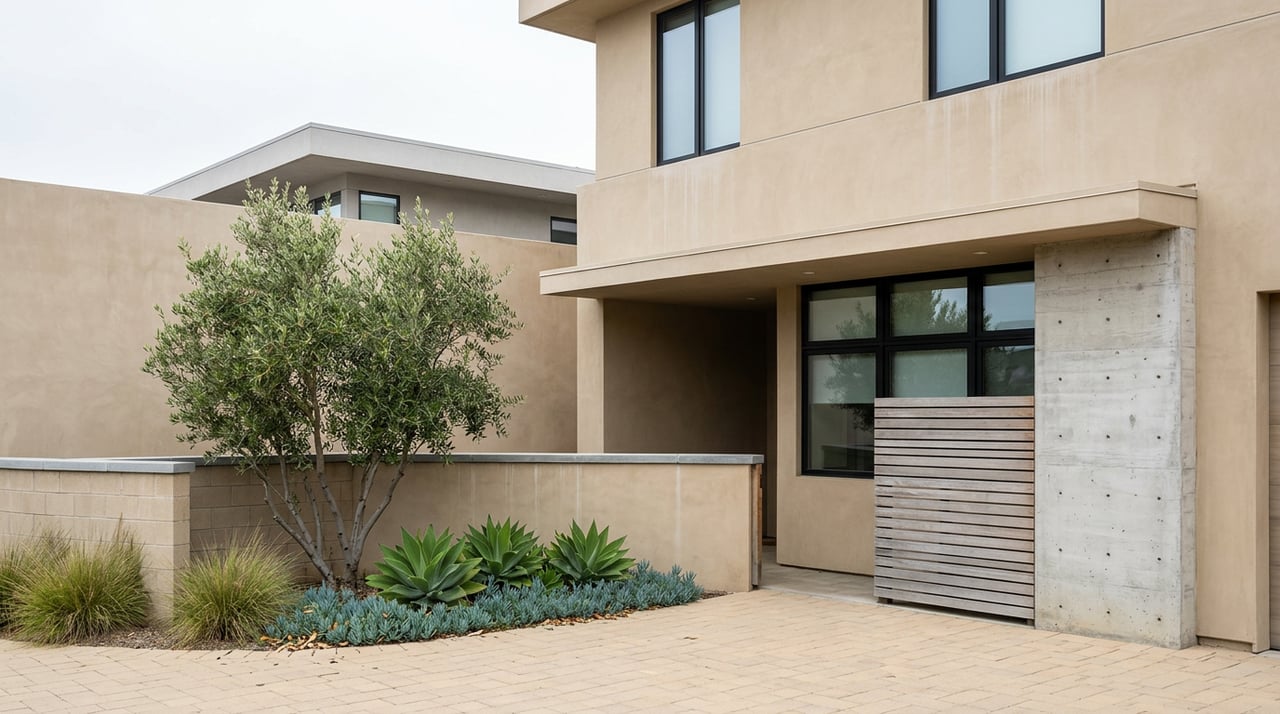
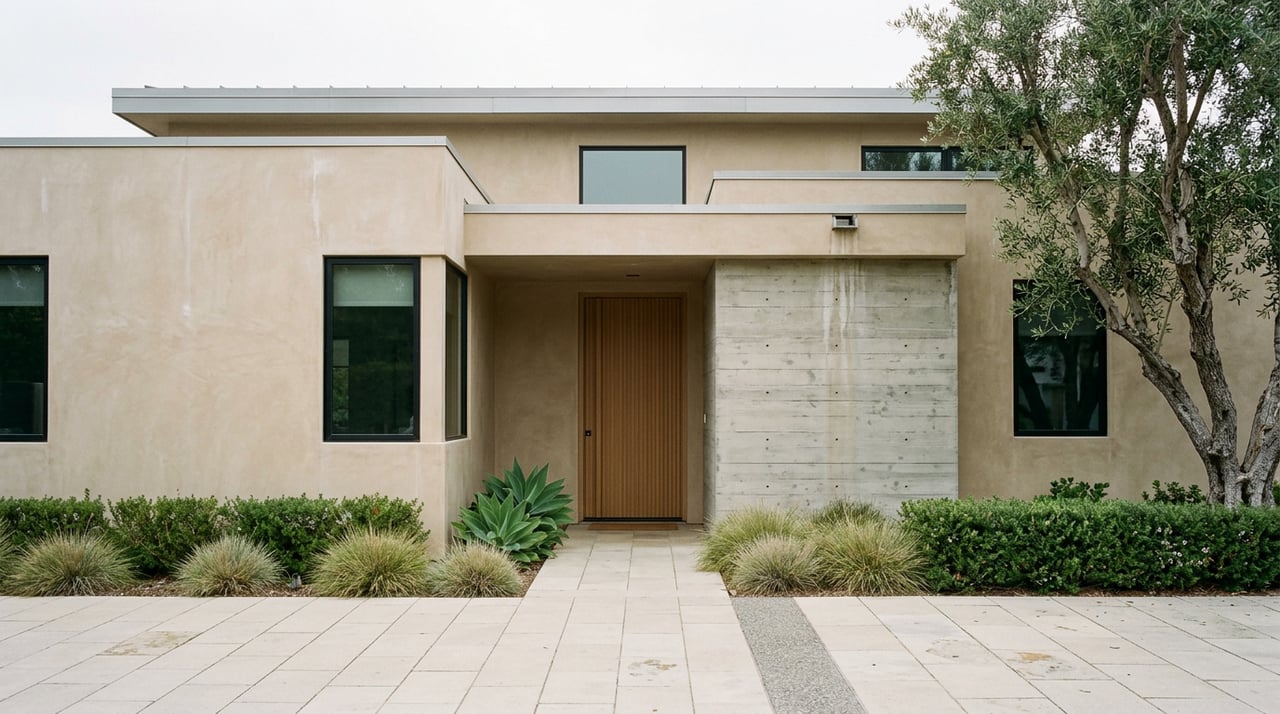
First impressions matter, especially in Los Angeles. Drought-tolerant landscaping, clean pathways, and a fresh front door look can go a long way with Westchester buyers. Good exterior lighting and tidy parking areas reduce perceived maintenance and make evening showings more inviting. Small, focused changes here often deliver outsize returns.
Quick curb appeal wins
- Fresh mulch, trimmed hedges, and low-water plantings.
- New house numbers and modern, energy-efficient exterior lighting.
- Power wash hardscapes and refresh the mailbox and door hardware.
Pitfall 4: Unpermitted or undisclosed work
Unpermitted additions or major changes can stall escrow, scare off buyers, or trigger lender issues. In the City of Los Angeles, the Los Angeles Department of Building and Safety (LADBS) oversees permits and inspections. You are expected to disclose known unpermitted work, and some items may need correction or retroactive permitting. Verify permit history early and plan your strategy before you hit the market.
- Check permit status and guidance through the Los Angeles Department of Building and Safety (LADBS).
- For zoning and use questions, consult the Los Angeles Department of City Planning.
Pitfall 5: Hiring the wrong contractor
Unlicensed or underinsured contractors, vague contracts, and poor change-order control can lead to cost overruns and delays. Incomplete lien releases from subcontractors can even cloud title. Always verify the basics and get everything in writing.
- Confirm licensing and standing with the Contractors State License Board.
- Require a detailed scope, timeline, payment schedule, and change-order process.
- Ask for proof of insurance and collect lien releases at each payment milestone.
Pitfall 6: Trend-chasing finishes
Ultra-trendy colors, extreme layouts, and personalized built-ins can narrow your buyer pool. Your goal is to appeal to a wide audience in a competitive Westside market. Favor neutral paint, timeless hardware, and reversible choices that look current without being polarizing.
Pitfall 7: Ignoring systems and inspections
Buyers and inspectors focus on roofing, electrical, plumbing, HVAC, and termite reports. Cosmetic upgrades can’t compensate for major system issues. In Westchester, many homes are older and may need roof certification, HVAC servicing, or plumbing and electrical updates. If aircraft noise is a concern, comfort features like double-pane windows and efficient HVAC can help buyers feel confident.
- If noise is top of mind, review LAWA’s noise management resources and document any sound mitigation you have completed.
Pitfall 8: Underestimating cost and time
Permitting in Los Angeles and contractor schedules can stretch timelines. If you plan too aggressively, you risk missing your ideal listing window. Build in a financial and time buffer, especially in busy seasons.
- Include a 10 to 20 percent contingency for budget and schedule.
- Be realistic about carry costs like mortgage, taxes, insurance, and utilities.
Pitfall 9: Mismatched improvements to likely buyers
A chef-level kitchen may not pay off if your buyers prioritize outdoor living, parking solutions, or a functional layout. Define your most probable buyer with your agent and shape updates to match. In Westchester, indoor-outdoor flow, flexible spaces, and low-maintenance yards often rank high.
A simple decision framework
Use these steps to decide what to renovate and what to skip before listing.
Step A: Market-first assessment
- Analyze 6 to 12 recent comps in your micro-market.
- Identify features that drove top results, such as updated kitchens, refreshed baths, or well-staged outdoor areas.
- Determine the neighborhood price ceiling and avoid projects that push far past it.
Step B: Urgent vs. strategic vs. decorative
- Urgent: Safety, structure, and major systems. Fix items likely to fail inspection or complicate lending.
- Strategic: High-impact refreshes like paint, lighting, modest kitchen and bath updates, landscaping, and staging.
- Decorative: Niche upgrades or luxury add-ons that rarely change your comp set.
Step C: Quick wins vs. big projects
- Quick wins: Neutral interior paint, decluttering, deep cleaning, updated light fixtures and hardware, cabinet painting or refacing, bathroom regrouting, landscaping refresh, and professional photos.
- Big projects: Full kitchen or bath gut renovations and additions. Consider only if comps support the investment and your timeline allows it.
Step D: Quantify cost vs. value
- Reference broad benchmarks from Remodeling Magazine’s Cost vs. Value report and the National Association of Realtors’ Remodeling Impact report.
- Combine these with local comps and your carry costs to estimate the likely net gain.
Step E: Timing and listing strategy
- If you need to sell soon, focus on repairs and quick wins and skip large remodels.
- If you have flexibility, take on larger projects only when they move you into a stronger comp group.
Execution checklist for Westchester
Permits and compliance
- Verify prior work and permit history with LADBS.
- Plan disclosures and timelines using guidance from the California Association of Realtors.
- For noise considerations, reference LAWA noise management and document your mitigation steps.
Contractor vetting
- Check license status and complaints via the CSLB license search.
- Confirm general liability and workers’ compensation insurance.
- Get multiple written bids with itemized scopes and timelines.
- Use a written contract with clear milestones, retainage terms, and lien releases.
Staging and photography
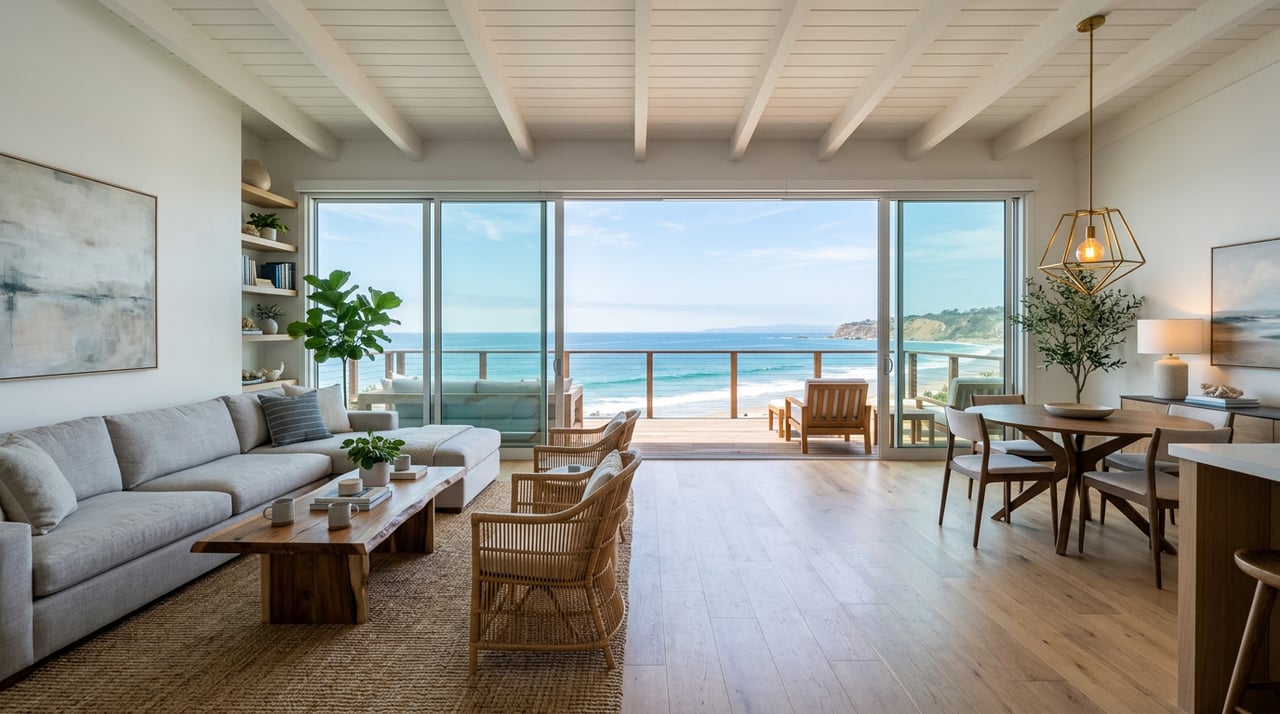
- Stage to highlight natural light and indoor-outdoor flow.
- Prioritize decluttering, neutral styling, and simple greenery.
- Invest in professional photos that showcase outdoor areas and flexible rooms.
Budget and timeline planning
Start with a clear budget that covers must-do repairs first. Add a contingency for unknowns, especially on older systems. Map project timelines against your ideal listing window and allow time for inspections and final touch-ups. If timing slips, reassess which projects are essential versus optional.
When selling as-is makes sense
If the numbers show a slim or negative return after costs and delays, a light refresh plus strong pricing and presentation can win. Focus on safety fixes, curb appeal, and a clean, staged interior. Many Westchester buyers value function, layout, and outdoor usability over luxury upgrades, so you can still compete without a full remodel.
Ready to move with confidence?
You do not need to overhaul everything to sell well in Westchester. Start with market data, fix the must-do items, and choose strategic refreshes that align with local buyer expectations. If you want a tailored plan, we bring hands-on renovation experience, neighborhood knowledge, and a track record of value creation on the Westside. Let’s map the smartest path to market for your home.
If you want an expert opinion on where to invest before you list, reach out to Robin Zacha for a personalized presale plan.
FAQs
Will a full kitchen remodel get me top dollar in Westchester?
- Not always. Unless nearby comps show similar remodels commanding higher prices, a quality refresh often delivers a better return than a full gut.
Do I need permits for bathroom or kitchen updates in Los Angeles?
- Structural changes and significant electrical or plumbing work typically require permits. Confirm requirements with LADBS and disclose any unpermitted work.
How much should I spend before listing my home?
- Start with safety and systems, then prioritize high-impact refreshes. Use comps to set a budget cap relative to your neighborhood price ceiling.
Will staging and professional photos really help in Westchester?
- Yes. In LA markets, strong staging and photography help you stand out online and in person, which can lead to faster sales and stronger offers.
What if I cannot afford major upgrades before selling?
- Focus on essentials and quick wins like paint, deep cleaning, curb appeal, and minor kitchen and bath updates. These often create the largest impact for the lowest cost.