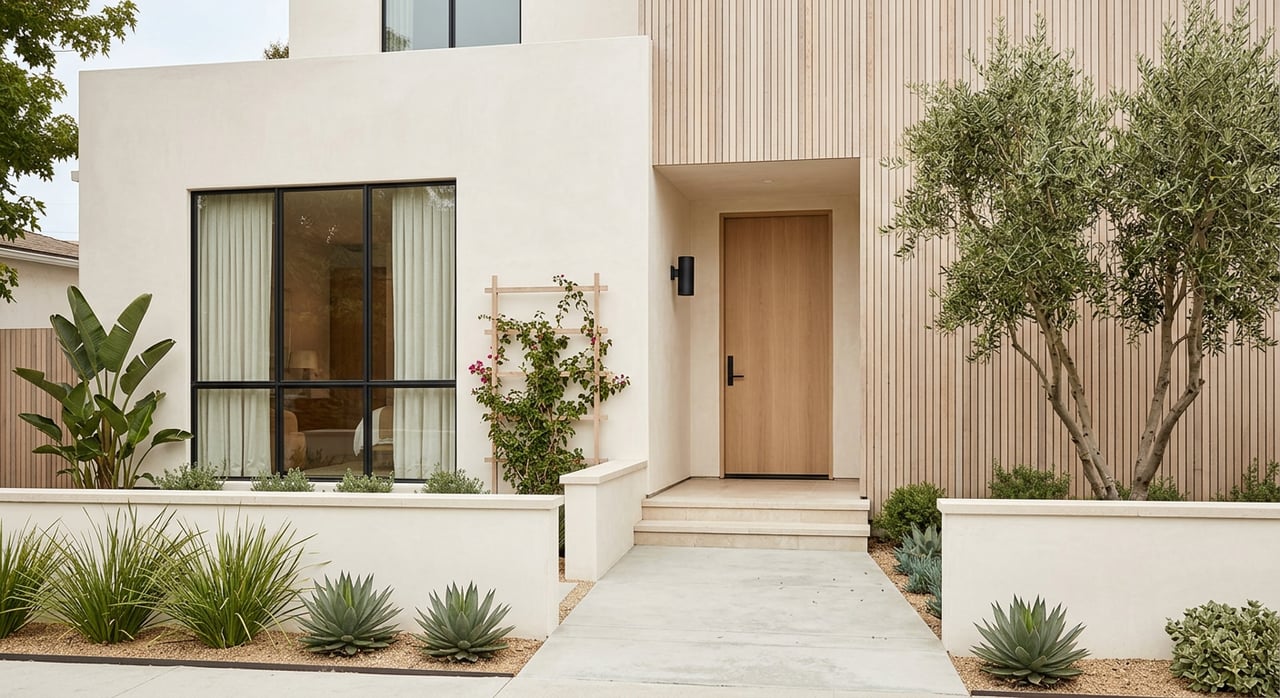
Thinking about selling your Playa del Rey home and wondering if this is the right season to do it? You are not alone. With spring around the corner, buyer activity typically picks up on the Westside, and 2026’s shifting mortgage-rate landscape adds a new twist. In this guide, you will get a clear, local view of timing, what to expect, and the exact steps to get market-ready without guesswork. Let’s dive in.
Playa del Rey market now
Published neighborhood stats show a mixed picture in early 2026. Recent snapshots put the median sale price around the mid to high $800,000s with days on market in the multiple-week range, and a modest number of monthly sales. Because Playa del Rey is a small coastal enclave, those medians can swing from month to month based on a few ocean-view homes or condo-heavy periods.
What that means for you: market temperature is very segment-specific. Ocean-view and bluff-top properties can still command premiums, while some condo tiers may see longer marketing times. Before you pick a list date, request a current CMA tailored to your home’s exact microsegment and a seller net sheet so you know your proceeds after costs.
Why selling this season can work
Spring is typically the strongest selling season in Los Angeles, with April and May bringing more buyer tours and better odds of top-of-market outcomes when your home shows well. This year’s mortgage-rate trend adds a boost. The 30-year fixed averaged 5.98% the week of February 26, 2026, according to the Primary Mortgage Market Survey from Freddie Mac. Falling rates can pull sidelined buyers back into the market, which can increase showing traffic for well-priced spring listings.
If you can be fully market-ready for an April or May debut, you position your home in front of the largest buyer pool of the year. The key is to price competitively and present beautifully, with clean disclosures and strong photography.
When waiting makes sense
There are good reasons to delay.
- You need months for permitted work or exterior changes that may trigger coastal review. Coastal-zone and bluff-area projects can add time and complexity. Learn more about coastal hazards and planning factors from Caltrans’ coastal hazards resource.
- Your microsegment faces a short-term supply surge. If multiple similar ocean-view homes plan to list in the same window, you may choose a later date or a sharper pricing strategy.
- Your next-housing plan is not set. If you need sale proceeds to purchase and do not have a bridge plan, solve that logistics piece first.
Prep that moves the needle
Strong preparation reduces surprises, speeds closing, and can improve your net.
Handle disclosures early
California requires sellers of 1–4 unit homes to deliver a Transfer Disclosure Statement and a Natural Hazard Disclosure. Starting these early avoids buyer rescission windows and last-minute stress. Review the basics of the TDS and NHD requirements here: California seller disclosure overview.
Know coastal and environmental context
Parts of Playa del Rey include bluff-top and low-lying areas near the lagoon and Ballona Creek. Buyers and lenders are asking more questions about coastal hazards, bluff stability, and long-term sea-level planning. For background on sea-level rise planning and coastal risks, see the state’s coastal hazards and sea-level rise guidance. For context on the Ballona Wetlands restoration planning, review the Ballona EIR information.
You should confirm whether your property is in a mapped hazard zone through your NHD provider and disclose any known coastal or bluff-related conditions.
Short-term rental rules limit investor appeal
Los Angeles allows home-sharing only in primary residences and caps most registrations at 120 days per year without special approval. That limits pure STR investor demand compared with some coastal markets. See the city’s home-sharing information from the City Council site: LA home-sharing and STR rules.
Transfer taxes affect net proceeds
Los Angeles County charges a documentary transfer tax, and the City of Los Angeles adds its own surcharges on higher-value transfers. These levies reduce your net, so include them in your planning. For county-level details, visit the LA County Recorder’s transfer tax guidance.
Quick cost planning
- Staging and presentation. NAR data show staging can shorten time on market and boost buyer response in some cases. See a summary here: NAR report on home staging impact. Budget ranges vary by scope and home size.
- Closing costs. Plan for roughly 6 to 10 percent of your sale price once commissions, transfer taxes, title and escrow, prorations, and any repair credits are included. Get a tailored net sheet for accuracy. For a national overview, see seller closing costs explained.
Your pre-list timeline
Every home is different, but this checklist fits most Playa del Rey sellers.
- Weeks 0–2: Request a current CMA and a seller net sheet. Gather permits, plans, HOA docs, and past repair invoices. Start disclosures.
- Weeks 1–4: Consider a pre-list inspection to surface safety or permit issues on your timeline. Learn the benefits here: pre-listing inspection guide. Address high-impact fixes now.
- Weeks 2–8: Do cosmetic prep. Declutter, paint touch-ups, landscaping refresh, and light repairs. Decide on staging level and schedule professional photography, including twilight exteriors and drone if you have views.
- Listing week: Launch on the MLS, execute targeted digital marketing, coordinate broker outreach, and hold showings or open houses. Track interest and be ready to adjust price or strategy if traffic is thin.
- Under contract to close: Plan for about 30 to 45 days for a financed buyer. Cash deals can close faster, but build in time for title, appraisal, inspection responses, and any HOA or lender documentation.
Pricing and presentation that work now
In a mixed market, the goal is to stand out on value and confidence.
- Price to the market you have. Anchor your list price to the most relevant comps, not the highest outlier. If the segment is thin, widen the radius carefully and adjust for view, lot, and finish.
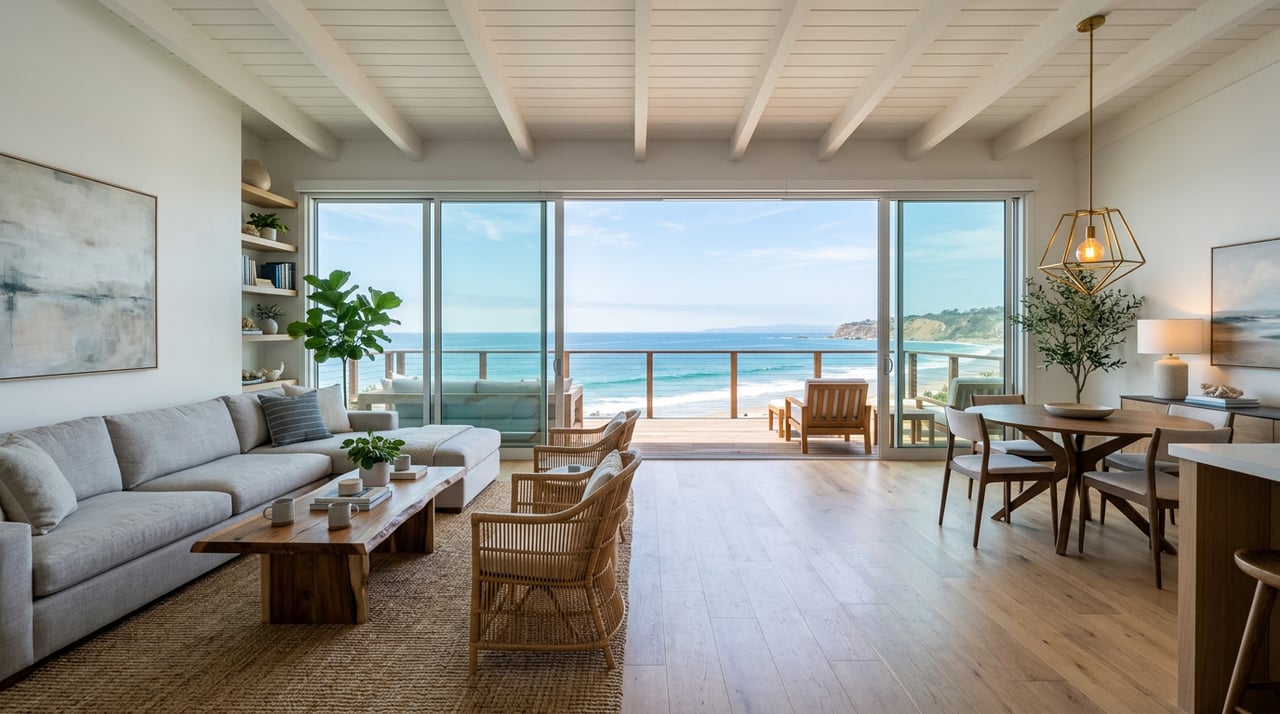
- Lead with your strengths. If you have ocean peeks, outdoor living, parking, or recent system upgrades, bring those forward in the headline and first three listing photos.
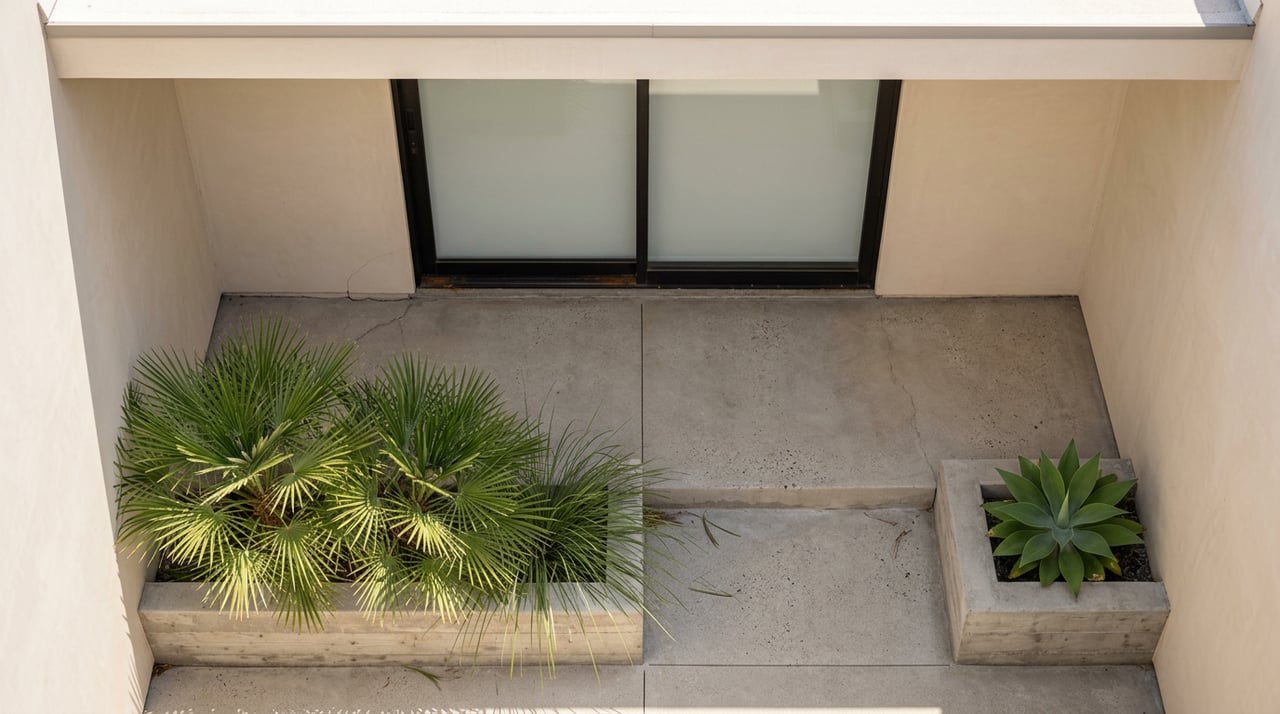
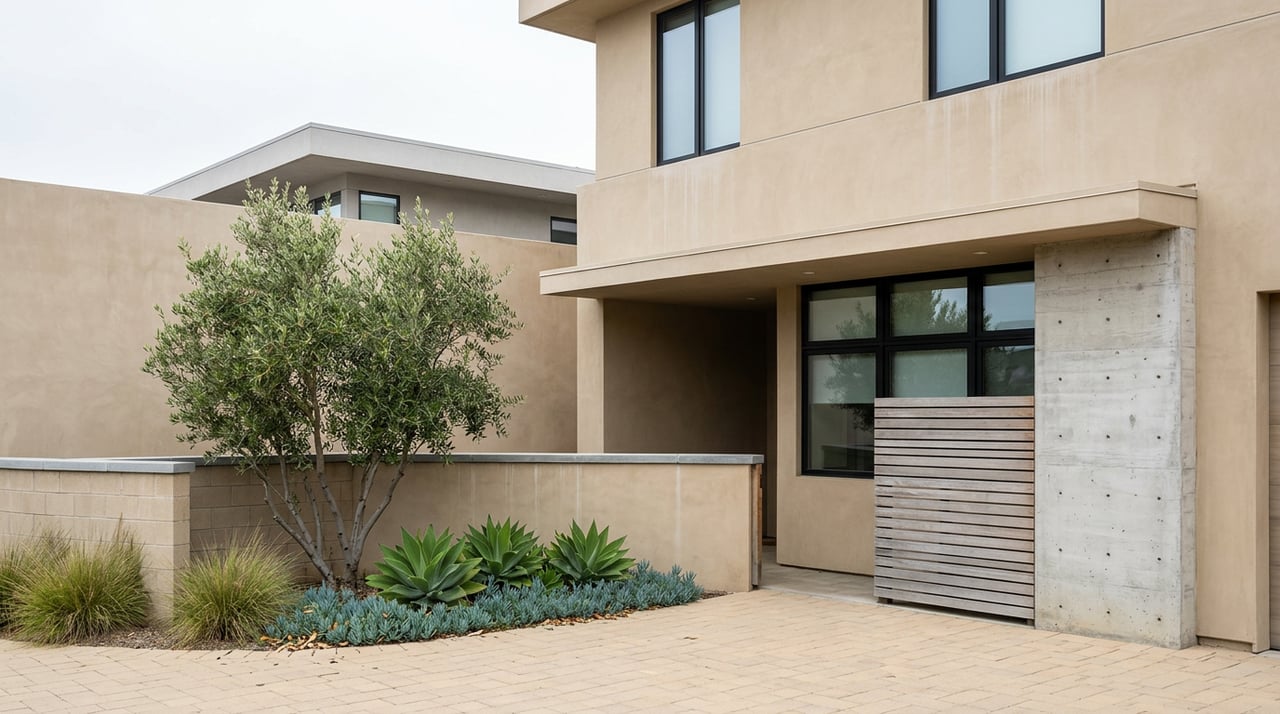
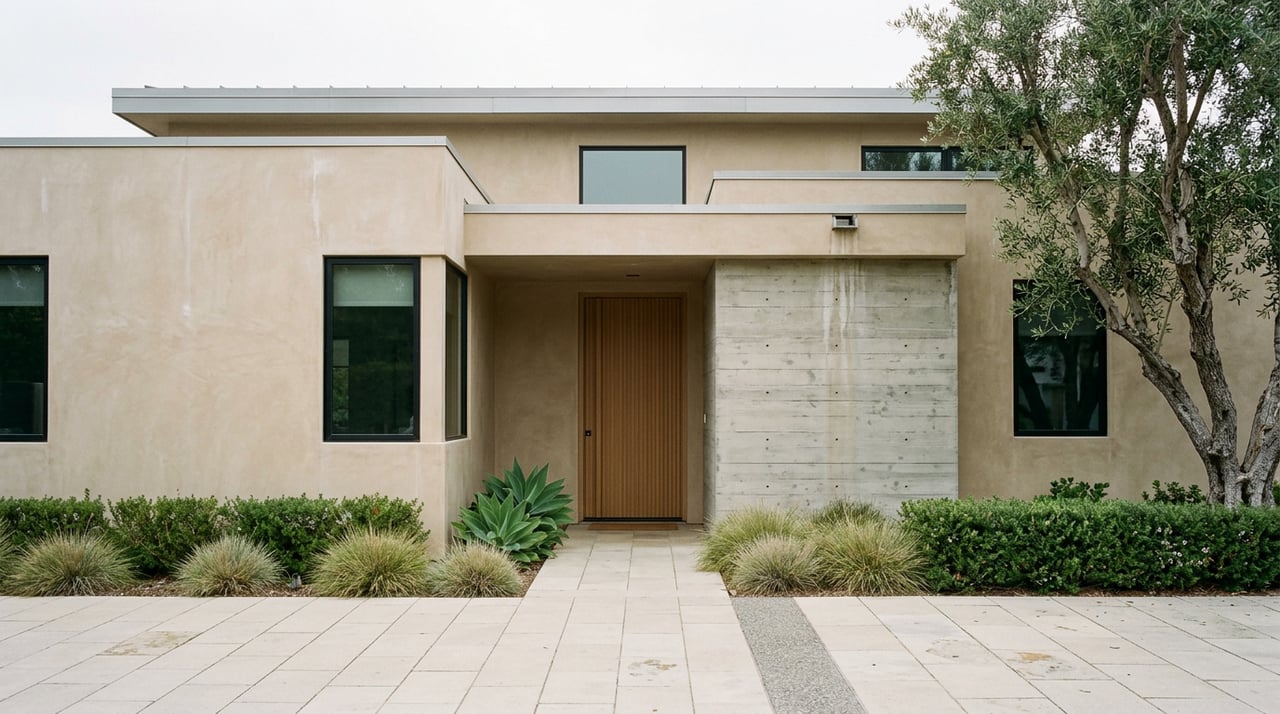
- Invest in first impressions. Great curb appeal, clean interiors, neutral paint, and edited furnishings photograph better and feel larger. Strong media can expand your buyer pool online.
- Make it easy to say yes. Complete disclosures, provide permits and receipts, and outline any known coastal considerations with clarity. Confidence reduces buyer hesitation and speeds decisions.
Decision checklist: sell now or wait?
Say yes to selling this season if most of these are true:
- You can be fully market-ready by mid to late April with repairs, staging, media, and disclosures complete.
- Your CMA and net sheet show proceeds that work for your next move, even after commissions and transfer taxes.
- You accept typical coastal tradeoffs, including bluff or flood disclosures when applicable and local home-sharing limits.
- You have a clear plan for where you will live next and how you will bridge timing if you also plan to buy.
Consider waiting if any of the following apply:
- You need several months to complete permitted work that will materially raise value, especially exterior or coastal-zone items.
- Several similar listings are set to hit the market in your microsegment in the next 2 to 4 weeks.
- Rate or inventory shifts are making your price band more volatile and you prefer to watch for clarity.
Your next steps
- Get a fresh CMA and a detailed seller net sheet tailored to your address and price band.
- Start your TDS and order an NHD. Pull permit history and gather HOA docs if applicable.
- Decide your staging approach, then book professional photography and a quick curb appeal refresh.
- Ask your escrow or title contact to estimate city and county transfer taxes for your property and request mortgage payoff figures.
- If you plan for the spring window, target an April or May list date. If not, monitor inventory and rate movement and align with the next best seasonal window.
Ready to talk strategy for your address, timeline, and budget? Get a local plan that blends market know-how with hands-on prep guidance. Connect with Robin Zacha to start your seller game plan today.
FAQs
When is the best time to list a home in Playa del Rey?
- Spring often delivers the largest buyer pool in Los Angeles, and early 2026’s rate dip adds momentum. If you can be market-ready by April or May, this season is a strong window.
What seller disclosures are required for coastal-area homes in California?
- You must provide a Transfer Disclosure Statement and a Natural Hazard Disclosure; coastal, bluff, or flood considerations should be addressed clearly and early to avoid delays.
How do Los Angeles short-term rental rules affect my sale?
- LA’s home-sharing rules restrict short-term rentals to primary residences with a 120-day cap without expanded approval, so pure STR investors may be less active than in other beach markets.
What seller costs should I expect in Los Angeles?
- Plan for about 6 to 10 percent of your sale price for commissions, transfer taxes, title and escrow fees, prorations, and any negotiated repair credits; confirm exact figures with a net sheet.
How long does it take to sell a Playa del Rey home right now?
- Timelines vary by property type and price band, but recent medians show marketing periods in the multiple-week range with 30 to 45 days typical from accepted offer to closing for financed buyers.