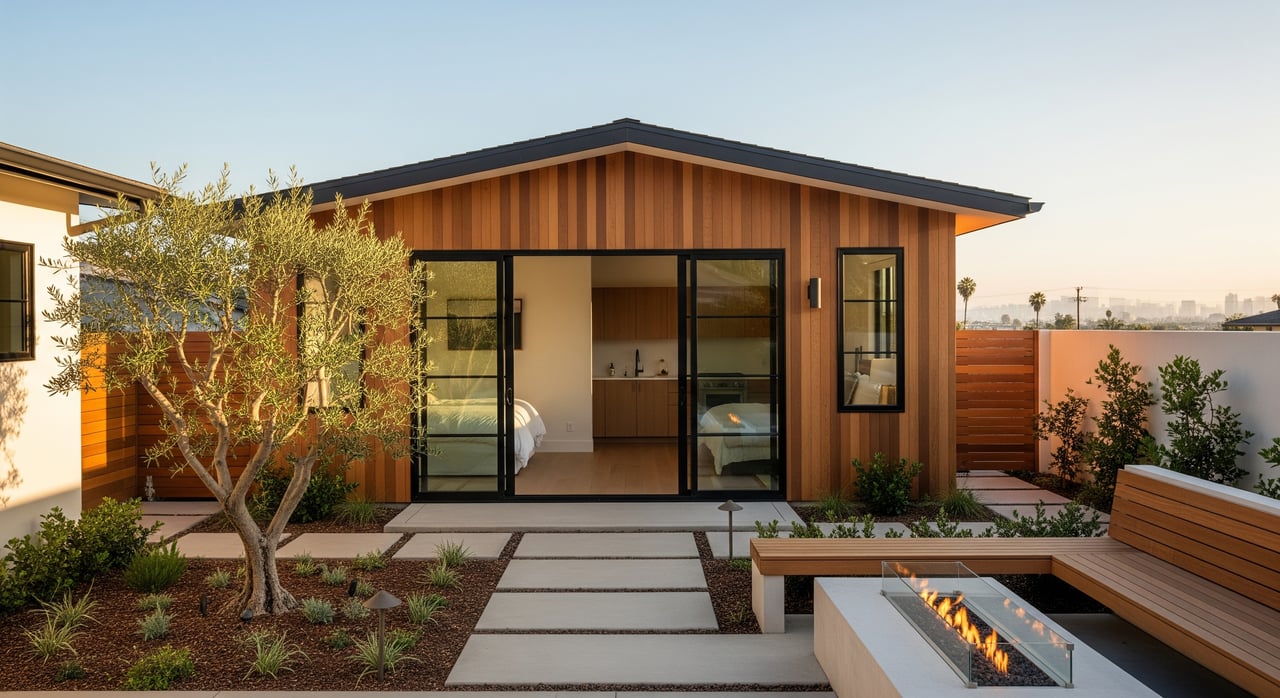
Thinking about adding an ADU to your Westchester property to create rental income, house family, or boost resale value? You are not alone. With updated California and City of Los Angeles rules, ADUs are more attainable than many owners realize, but the smartest projects start with clear expectations on cost, permits, and return. In this guide you will learn the common ADU types, Los Angeles permitting steps and timelines, ballpark budgets, rent-driven ROI examples, and a simple checklist to get started. Let’s dive in.
ADU basics in Westchester
Westchester sits within the City of Los Angeles, so your project follows California’s ADU law and the City’s local implementation through Building and Safety and City Planning. State law opens the door for ADUs while allowing cities to apply objective standards such as setbacks, height, and lot coverage. Most ADUs are approved by ministerial plan check when you submit complete plans.
A few ground rules to confirm early because regulations evolve:
- Number of units: State law generally allows at least one ADU on a single-family lot and may allow a Junior ADU inside the existing home. Confirm what applies to your parcel with the City before you design.
- Size limits: Junior ADUs are up to 500 square feet. Other ADU size caps vary by zoning and site context. Verify with Los Angeles Department of Building and Safety (LADBS) and City Planning.
- Setbacks, height, and lot coverage: Expect objective standards that shape where the unit can go and how tall it can be.
- Parking: State rules reduce local parking requirements in many cases, such as when the ADU is created from an existing structure, or when the lot is within one half mile of transit. Always confirm your site’s status and any replacement parking needs upfront.
- Utilities: Some ADUs share water, sewer, and electric with the main house while others add separate meters. Connection requirements and fees vary and can affect cost.
- Special overlays: Historic designation or special districts can add steps. Westchester is generally not in the City’s Coastal Zone, but confirm your parcel to be sure.
ADU types you can build
Most Westchester homeowners consider one of these options:
- Detached ADU. A new, separate backyard structure. Highest rent potential and privacy, with the largest scope and cost.
- Attached ADU. An addition connected to the main home. Useful when you want more space without a separate building.
- Garage conversion. Converts an existing garage to a full living unit. Often the fastest and lowest cost.
- Interior conversion. Reconfigures existing space such as an attic or other area within the home. A Junior ADU fits here and is up to 500 square feet.
- Prefab or modular ADU. Factory-built sections assembled on site. Can shorten timelines, but still needs a foundation and utility hookups.
Each type trades speed and cost for size, privacy, and rent potential. The right choice depends on your lot layout, budget, and goals.
LA permitting: steps and timeline
You can expect a straightforward sequence for most ADUs in Los Angeles:
- Feasibility and site check
- Confirm zoning, lot size, setbacks, easements, and any overlays or protected trees.
- Identify water, sewer, and electric service points and capacity.
- Note any site constraints such as narrow side yards or limited access.
- Design and contractor selection
- Choose your ADU type and develop concept plans.
- Get preliminary estimates from LA ADU-experienced designers and contractors.
- Application and plan check
- Submit plans to LADBS, and City Planning if required, for ministerial review. Typical submittals include a site plan, floor plan, elevations, structural details if needed, and utility tie-in plans.
- Permits, inspections, and utilities
- Pull building permits after approval, schedule inspections during construction, and secure final sign-off and a certificate of occupancy.
- Coordinate sewer, water, and electrical work, including any service upgrades or separate meters if applicable.
Typical timelines in Los Angeles:
- Feasibility and design: 2 to 8 weeks
- Plan check and permit approval: 4 to 16 weeks, depending on submittal completeness and City workload
- Construction: 2 to 4 months for a garage or interior conversion; 4 to 9 months for detached or prefab installations
- Total time to occupancy: 4 to 12 months for simpler projects, longer if there are upgrades or special conditions
Common friction points include incomplete plans, properties with prior code issues, and utility upgrades such as larger electric service. A pre-submittal review and complete drawings help reduce delays.
What it costs to build in Westchester
Local labor and materials run above the U.S. median, and your scope, size, and utility work will drive the final budget. Here are ballpark ranges seen across Los Angeles in recent years:
- Garage conversion: about $60,000 to $180,000
- Interior conversion or JADU: about $20,000 to $120,000
- Detached, stick-built ADU: about $200,000 to $450,000 or more, depending on size and finishes
- Prefab or modular ADU: about $150,000 to $400,000 including site prep and installation
- High-end or specialty new build: $400,000 and up
Timelines track with complexity. Conversions run the shortest, while detached builds that need new foundations and full utility runs take longer.
Costs beyond construction
Plan for soft costs and site work so your budget stays realistic:
- Design, architecture, and engineering: typically 5 to 15 percent of construction cost
- Permits and impact or connection fees: vary by scope and local agencies
- Utility upgrades: electric panel increases, sewer laterals, water meter work
- Exterior items: landscaping, driveway or parking changes
- Insurance and potential property tax impacts
These items often determine whether a project pencils out. Get written estimates for utility and fee items before you finalize scope.
Rent, ROI, and payback explained
A simple model helps you compare options:
- Annual net operating income (NOI) equals monthly rent multiplied by 12, adjusted for vacancy, minus annual operating expenses.
- Payback period equals total project cost divided by annual NOI.
- If you use financing, cash-on-cash return equals annual pre-tax cash flow divided by cash invested.
Key inputs to estimate:
- All-in project cost, including construction and soft costs
- Market rent for a unit of your size and finish level in Westchester
- Vacancy assumption, often 5 to 10 percent
- Operating expenses, often 25 to 40 percent of gross rent for insurance, maintenance, utilities you pay, management, and a property tax increment
- Financing costs if you plan to use a HELOC, construction loan, or refinance
Consult a tax professional and the LA County Assessor for guidance on depreciation, deductions, and how new improvements may affect assessments.
Three example scenarios
These simplified examples use illustrative figures. Update the rent line using current local listings and your unit’s size and features.
Example A — Garage conversion
- All-in cost: $120,000
- Market rent: $2,200 per month
- Vacancy: 8 percent, so effective rent equals $2,200 × 12 × 0.92 = $24,288 per year
- Operating expenses at 30 percent: $7,286
- Estimated NOI: about $16,999 per year
- Approximate payback: $120,000 divided by $16,999 equals 7.1 years
Example B — Detached ADU
- All-in cost: $300,000
- Market rent: $3,200 per month
- Vacancy: 8 percent, so effective rent equals $3,200 × 12 × 0.92 = $35,328 per year
- Operating expenses at 35 percent: $12,365
- Estimated NOI: about $22,963 per year
- Approximate payback: $300,000 divided by $22,963 equals 13.1 years
Example C — Prefab small unit
- All-in cost: $180,000
- Market rent: $2,700 per month
- Vacancy: 8 percent, so effective rent equals $2,700 × 12 × 0.92 = $29,808 per year
- Operating expenses at 30 percent: $8,942
- Estimated NOI: about $20,866 per year
- Approximate payback: $180,000 divided by $20,866 equals 8.6 years
How to use these:
- If your rent estimate is higher or lower, recalc NOI and payback quickly.
- If you plan to finance, factor interest and principal into cash flow. Financing reduces near-term cash returns and can extend payback.
- Remember non-financial goals such as housing family members or long-term property value, which simple NOI does not capture.
How to choose the right ADU
Start with your lot and your goal. If you want speed and lower upfront cost, a garage conversion or Junior ADU can be smart. If you prioritize privacy, flexibility, and higher rent, a detached unit usually wins but needs more capital and time.
Ask yourself:
- What is my budget, including soft costs and a contingency?
- Where would a unit fit best given setbacks and access?
- Do I need a separate yard or entry for tenants or family?
- Will utility upgrades be required, and at what cost?
- How important is timeline compared to maximizing rent?
Then get at least two bids from LA ADU-experienced teams. Ask each for recent Westside examples, LADBS permit timing they have seen, and line-item utility estimates.
Your homeowner checklist
Use this list to prepare before you meet with pros:
- Confirm you are in the City of Los Angeles and note your zoning designation.
- Check for any overlays such as historic districts or specific plans.
- Map existing structures, setbacks, easements, and impermeable coverage.
- Locate water, sewer, and electric service points and current meter locations.
- Photograph the yard, garage, and exterior elevations.
- Note access for construction equipment and staging.
Questions to ask designers or contractors:
- How many accessory units may be allowed on my lot under current City and state rules?
- Which ADU type offers the best cost-to-rent balance on my site and why?
- What are recent LADBS plan-check timelines you have experienced?
- Will my project need an electric panel upgrade, sewer lateral work, or a new water meter? What do those typically cost?
- What is the expected timeline from contract to occupancy, broken into permitting, construction, and inspections?
- Can you provide references for recent ADUs completed in Los Angeles, ideally near Westchester?
The next step
An ADU can unlock steady income, flexible living, and long-term value, but the best outcomes come from clear plans and realistic numbers. If you want a local perspective on what will work on your Westchester lot, we are here to help you pressure-test costs, timeline, and rent assumptions before you commit. Reach out to Robin Zacha for neighborhood-specific guidance and a path that fits your goals.
FAQs
How many ADUs can I build on a single-family lot in Westchester?
- State law generally allows at least one ADU and may allow a Junior ADU inside the existing home; confirm the exact allowances for your parcel with the City of Los Angeles.
Do I need to provide parking for an ADU in Westchester?
- Often not, especially for conversions or when the lot is within one half mile of transit, but always verify parking and any replacement rules with the City before you design.
How long does it take to permit and build an ADU in Los Angeles?
- Many projects run 4 to 12 months from kickoff to occupancy, including 4 to 16 weeks for plan check and 2 to 9 months for construction depending on scope.
What does a Westchester ADU cost in 2025?
- Recent Los Angeles ranges are about $60,000 to $180,000 for garage conversions, $20,000 to $120,000 for interior conversions or JADUs, $150,000 to $400,000 for prefab units, and $200,000 to $450,000 or more for detached builds.
How will an ADU affect my LA County property taxes?
- New improvements can change assessed value; check with the LA County Assessor and your tax professional to understand how your specific project may be treated.
Can I rent my Westchester ADU as a short-term rental?
- The City of Los Angeles has strict short-term rental rules, and many owners choose long-term leases for stability; review current City regulations before committing to a rental strategy.
Do I need separate utility meters for an ADU in Los Angeles?
- Not always; some ADUs share utilities with the main house while others add separate meters, and connection requirements and fees depend on your scope and providers.