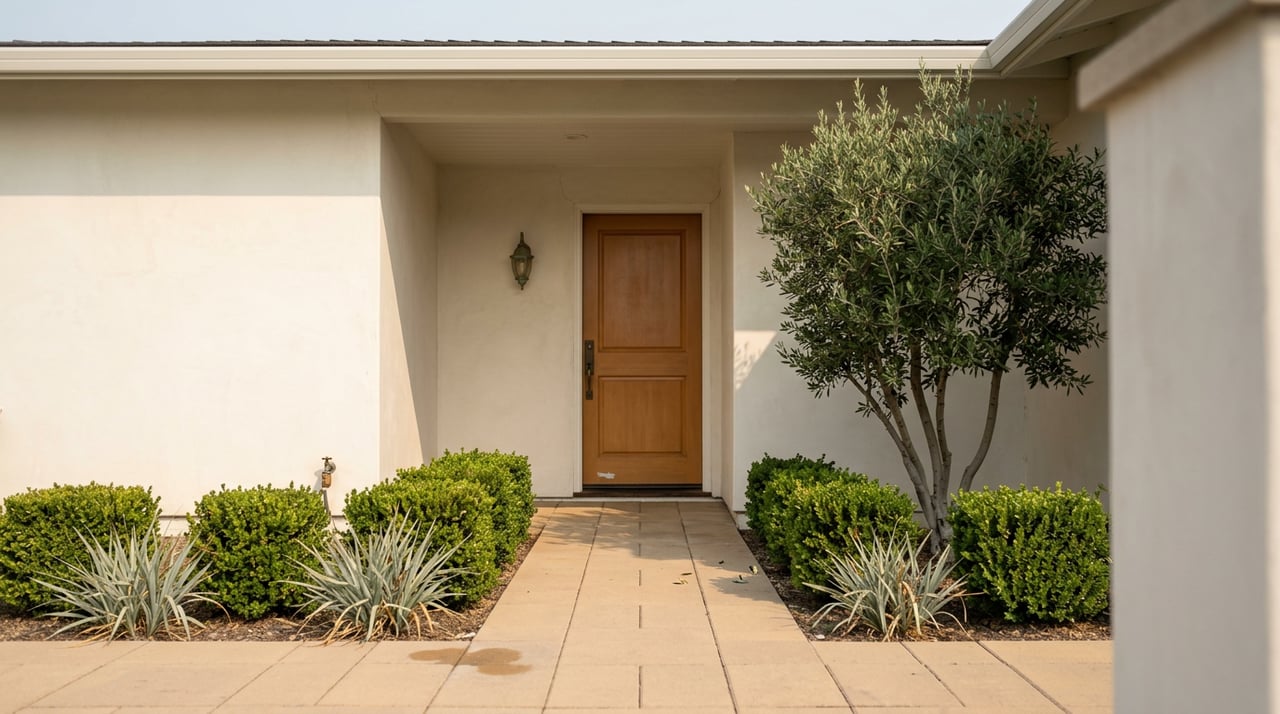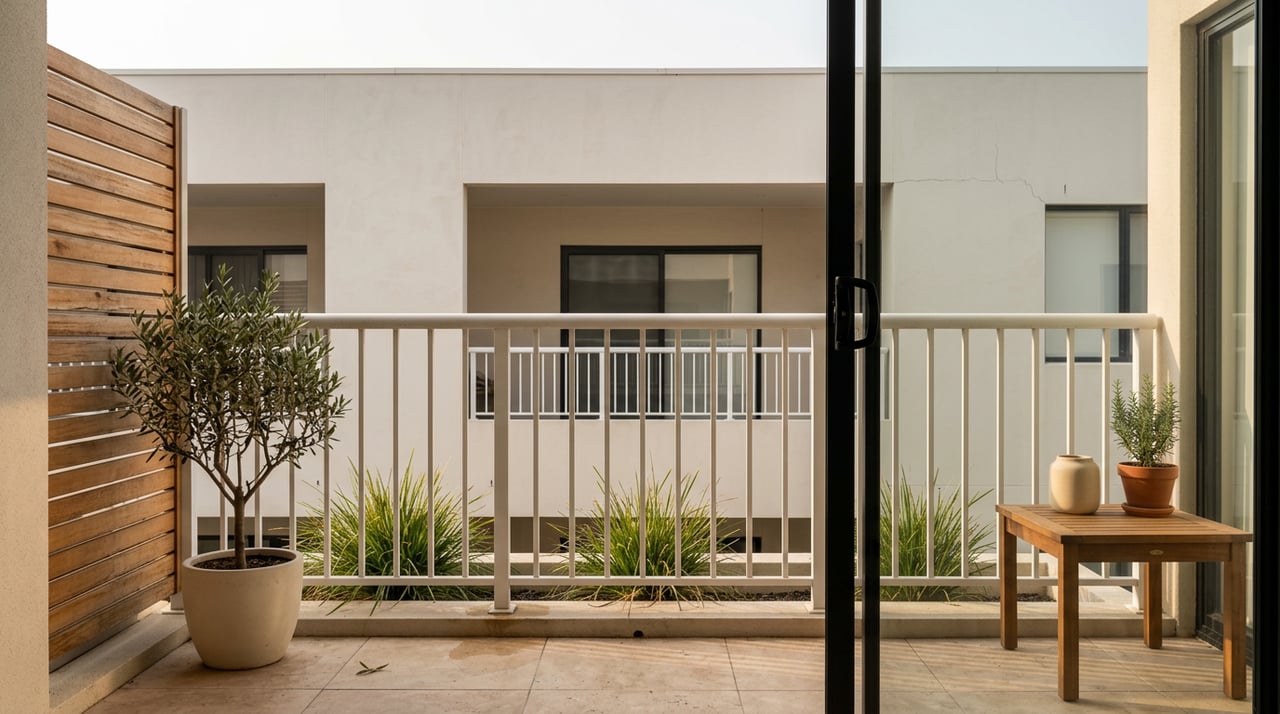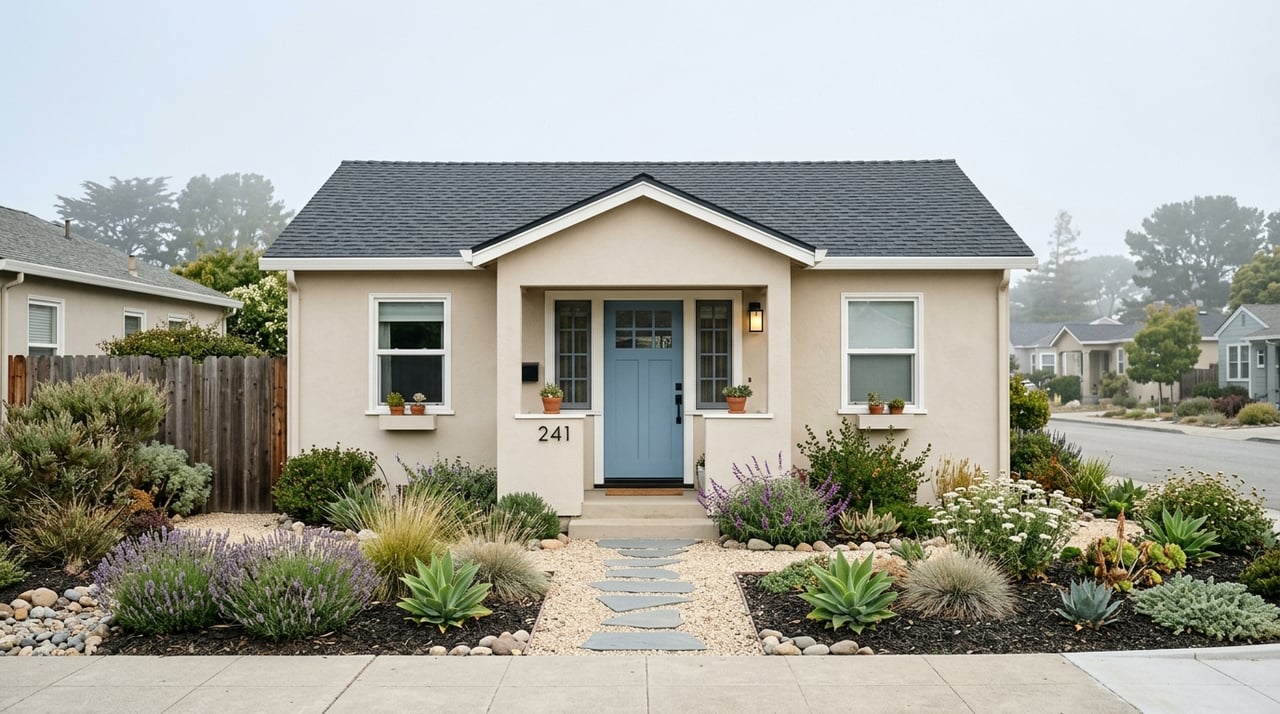
If you’re hoping to buy your first place in Culver City, “starter home” can feel like a moving target. In a high-cost market where the median value of owner-occupied homes is $1,142,900 and Zillow’s typical home value is about $1.26 million, your entry point may look very different from what it would in other cities. The good news is that if you understand the local housing mix, neighborhood differences, and renovation realities, you can make a much smarter decision. Let’s dive in.
What a starter home means in Culver City
In Culver City, a starter home is not an official category. It usually means the more accessible end of the market, which often includes condos, townhomes, attached homes, or older smaller detached houses instead of larger new construction.
That definition makes sense in a city that covers about 5.1 square miles and has roughly 18,803 housing units, according to Census Reporter’s Culver City profile. It is also a place where homes move relatively quickly, with listings going pending in around 27 days, so buyers often need a clear plan before they start touring.
Housing types shape your options
Culver City’s housing stock is more varied than many buyers expect. The city’s Housing Element shows that in 2020, the city was almost evenly split between single-family units at 48% and multifamily units at 51%.
That matters because your starter-home search may not be just about price. It may also be about deciding whether you want lower-maintenance attached living, more interior space, or a detached home with future flexibility.
A few local housing facts help frame the search:
- Detached homes and larger multifamily buildings of 5 or more units each make up about 39% of the housing stock
- Attached homes make up about 9%
- Buildings with 2 to 4 units make up about 12%
- About 64% of homes have two or three bedrooms
- Studios and one-bedroom homes make up about 25% of the housing stock
For many buyers, that means the most realistic starter-home options are often properties with an efficient layout rather than a lot of extra square footage.
Neighborhood differences matter fast
One of the biggest mistakes buyers make is treating Culver City like a single housing market. It is not. The city’s neighborhood map includes areas such as Blair Hills, Clarkdale, Downtown, Fox Hills, Jefferson, Sunkist Park, Studio Village, and Washington Culver, and each pocket has a different built form and pace of change.
That means your experience can shift quickly from one area to the next. In one neighborhood, you may see more multifamily buildings and attached options. In another, you may find more traditional single-family streets with fewer entry-level choices.
According to the city’s General Plan 2045 land use document, areas around Tellefson Park, Downtown, and West Washington are generally designated multifamily. For buyers looking for a condo, townhome, or other attached home, those areas may offer a different mix of inventory than lower-density parts of the city.
The same plan notes that Fox Hills is being guided from an existing suburban office park into a more walkable, mixed-use neighborhood with transit access. If you are buying there, it is smart to expect continued change over time.
By contrast, city materials describe Blair Hills as a single-family residential neighborhood. That does not make one area better than another. It simply means your choices, price point, and long-term flexibility may vary based on the neighborhood you target.
Older homes need careful due diligence
If you are shopping for a starter home in Culver City, age is one of the most important things to understand. The city’s Housing Element says about 63% of housing units were built at least 50 years ago, and about 92% are at least 30 years old.
Older homes can offer charm, location, and opportunity, but they can also come with more maintenance needs. The city specifically notes that this age profile suggests many homes may require maintenance and rehabilitation, including lead-based paint remediation in older structures.
For buyers, this means due diligence should go beyond cosmetic updates. You will want to understand the condition of major systems, any prior work that was done, and whether that work appears to have been properly permitted.
Permits and renovation plans matter
Culver City requires permits for a wide range of projects. According to the city’s building safety permit requirements, permits are required for construction, enlargement, alteration, repair, relocation, demolition, changes in occupancy, and many electrical, mechanical, plumbing, roofing, and room-addition projects.
That is especially important if you are considering an older detached home as your starter property. A house that seems modest today may have long-term upside, but that only matters if the lot, zoning, and permit path support your plans.
This is one area where we encourage buyers to think beyond the first year. A home that works for you now and offers future flexibility can be easier to grow into and easier to explain to a future buyer later.
ADU potential can add flexibility
For some detached-home buyers, accessory dwelling unit potential may be part of the appeal. Culver City explains that ADUs are typically smaller units built on the same lot as a single-family home, often through a garage conversion or a backyard build, and the city offers an ADU handbook and pre-approved plans through its permitting resources.
The city’s General Plan also states that single-family parcels may add up to two ADUs and one JADU, consistent with state law. That does not mean every property will qualify in the same way, but it does mean some smaller older homes may have more long-term options than they appear to at first glance.
If you are comparing two similar detached homes, lot flexibility can be a meaningful factor. It may affect how the home fits your future needs and how other buyers see it down the road.
Condos and townhomes need a different review
Not every starter-home buyer wants a project. In Culver City, condos and townhomes can be a practical entry point, especially if you want less exterior maintenance or a more compact footprint.
Still, attached living requires its own kind of due diligence. The research here points to a simple rule: in condos and townhomes, review HOA documents and reserves carefully. That review can help you better understand monthly costs, building maintenance, and any larger issues that may affect ownership costs over time.
Transit and commute should be part of the math
Square footage matters, but in Culver City, location can matter just as much. The city has strong transit access for a Westside location, with the Transportation Department reporting seven regular bus routes and one bus rapid transit route, and Metro maps identifying Culver City Station on the E Line.
Census Reporter puts the city’s mean travel time to work at 26.7 minutes, which gives buyers a useful baseline when weighing commute convenience against interior space. Sometimes the better long-term fit is not the biggest home you can afford. It is the one that better supports your daily routine.
What tends to support resale value
No one can predict the future perfectly, but some factors tend to matter more than others. Based on the city’s housing direction, the strongest long-term signals are likely to be location, flexibility, and neighborhood trajectory.
That makes sense in a city with slow housing growth, continued interest in ADUs and JADUs, and more mixed-use infill in selected areas. Homes that combine an efficient layout with good transit access or realistic expansion potential may be easier for future buyers to understand and value.
For a starter-home buyer, that is a useful filter. You are not just buying what works today. You are also buying how clearly the property may make sense to the next buyer when it is time to move.
A smart starter-home checklist
As you narrow your options in Culver City, keep these practical points in mind:
- Treat “starter home” as a budget and lifestyle label, not a formal property type
- Compare condos, townhomes, and older detached homes based on total monthly cost and future flexibility
- Expect older homes to require extra review of systems, permits, and pre-1978 issues
- In attached homes, review HOA documents and reserves
- In detached homes, look closely at lot flexibility and renovation potential
- Weigh walkability and transit access against interior size
- Remember that neighborhood character can change quickly from one pocket of Culver City to another
The right first step in Culver City
Buying a starter home in Culver City usually means balancing tradeoffs with a clear eye. You may be choosing between space and location, turnkey condition and future upside, or attached convenience and detached flexibility. When you understand how the city’s housing stock, neighborhood patterns, and older homes affect that decision, you can buy with more confidence.
If you want help evaluating Culver City options through a practical Westside lens, connect with Robin Zacha. You’ll get straightforward guidance grounded in local knowledge, renovation insight, and the kind of one-on-one support that helps you make a smart move.
FAQs
What counts as a starter home in Culver City?
- In Culver City, a starter home usually means an entry-level option in a high-cost market, such as a condo, townhome, attached home, or older smaller detached house.
What should buyers know about older homes in Culver City?
- Many Culver City homes are older, so you should pay close attention to maintenance needs, major systems, permit history, and possible lead-based paint issues in older structures.
What should buyers review before buying a Culver City condo or townhome?
- You should review HOA documents and reserve information carefully so you understand monthly costs, maintenance responsibilities, and any larger building-related concerns.
What should buyers know about ADU potential in Culver City?
- Some single-family properties may offer long-term flexibility through ADUs or a JADU, but the lot, zoning, and permit path need to support those plans.
How important is transit access when buying a starter home in Culver City?
- Transit access can be a major factor because Culver City has local bus service, bus rapid transit, and E Line access, which can affect daily convenience and future resale appeal.