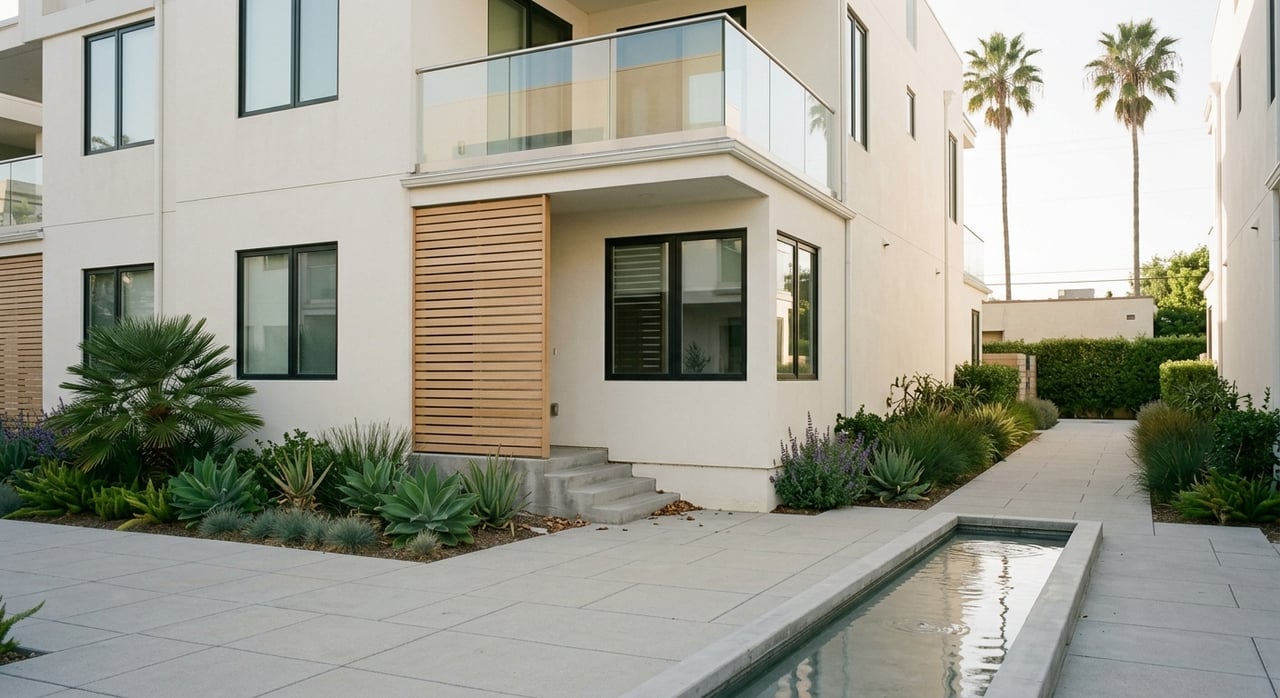
Ever wonder why Playa Vista feels so easy to live in day to day? It is not just about newer buildings or Westside location. The neighborhood was planned so that parks, errands, workspaces, and shared amenities sit close together, which changes how your week actually flows. If you are trying to understand what it feels like to live here, this guide breaks down how Playa Vista’s design shapes everyday life. Let’s dive in.
Playa Vista Is Built Around Proximity
Playa Vista is best understood as a compact mixed-use neighborhood on the Westside of Los Angeles, not a separate city and not a typical suburb. It is part of the City of Los Angeles and uses ZIP code 90094. According to the community’s official materials, it includes roughly 460 acres, more than 15,000 residents, 6,046 homes, about 3 million square feet of creative office space, and more than 200,000 square feet of retail.
That mix matters because the neighborhood was designed to bring housing closer to employment and daily needs. The Campus serves as the office core, while Central Park acts as a green buffer and gathering place between work and housing. In practical terms, that means your routine can stay more local than it might in many other Westside neighborhoods.
Parks Shape the Daily Rhythm
One of the clearest ways Playa Vista’s design shows up in everyday life is through its open space network. Official community materials say there are 29 parks, more than 165 acres of open space, and roughly 48 acres of parks. They also note that every home is within a 2- to 5-minute walk of at least one park.
That kind of layout changes how often you actually go outside. Wide sidewalks, benches, dog water fountains, pocket parks, and community gardens make walking feel built into the neighborhood rather than added on later. Instead of planning a special trip to get outdoors, you are more likely to pass through green space on the way to something else.
Different Parks Support Different Routines
Playa Vista’s parks are not all doing the same job. Concert Park is set up for outdoor concerts, movies, food trucks, yoga, and casual meetups. Sports Park adds active recreation with a baseball field, soccer field, basketball courts, tennis courts, and a tot lot.
Campus Central Park brings another layer with a bandshell, playground, sand volleyball court, basketball court, ponds, and berm gardens. Other spaces like Ballona Discovery Park, Fountain Park, Ballona Creek Park, and The Lawn help create smaller daily loops. That variety gives the neighborhood a pattern of movement that feels active without feeling rushed.
Nature Is Part of the Experience
Playa Vista’s design is not only about convenience. It also includes an ecological system that changes the feel of the neighborhood. The community’s sustainability materials describe a 51-acre freshwater wetlands system made up of a riparian corridor and freshwater marsh that treats stormwater before it reaches Ballona Wetlands and Santa Monica Bay.
For you as a resident, that can make a regular walk feel more connected to habitat and open land than you might expect in a dense Westside neighborhood. The same materials note restored habitat on the Westchester Bluffs, more than 180 bird species in the marsh system, and wildlife viewing along the riparian corridor. That natural layer helps explain why Playa Vista can feel more spacious than its housing density might suggest.
Runway Keeps Errands Close to Home
A big part of everyday ease in Playa Vista comes from Runway, the neighborhood’s main retail and dining hub. Official community information describes it as a lifestyle destination with Whole Foods, Cinemark, coffee shops, restaurants, fitness studios, a pharmacy, banks, beauty services, and other daily conveniences. The Playa Vista Farmers’ Market is also held every Saturday.
This concentration of uses changes how errands fit into your day. Instead of driving to several different areas, you can often combine groceries, coffee, a workout, and a movie or meal in one short loop. That self-contained quality is one of the biggest reasons Playa Vista stands apart from lower-density nearby neighborhoods.
Events Add Energy Without Leaving the Neighborhood
Runway does more than cover basics. The community also says it hosts live music, pop-ups, and other outdoor events. That means the same place you visit for practical reasons can also become part of your weekend plans.
When a neighborhood gives you both convenience and activity in the same area, it tends to feel more connected. You are not just checking things off a list. You are spending time in spaces designed to keep people out and about.
Shared Amenities Create Social Anchors
Playa Vista’s two resident clubs are another major part of how the neighborhood works. The CenterPointe Club is a 26,000-square-foot gathering place with pools, a large deck, cabanas, a fitness center, screening room, lounge, business center, and event space. The Resort adds about 25,000 square feet more, with a two-level fitness center, multiple pool and spa areas, an outdoor fireplace, and kitchen space for community events.
These are not minor add-ons. They help organize how people spend their time throughout the week. In many neighborhoods, recreation is scattered across private gyms, separate pools, and off-site social spots. In Playa Vista, some of that activity is gathered into shared spaces that support repeat routines.
Civic Amenities Keep Daily Life Compact
Playa Vista also includes civic amenities that make the neighborhood feel complete. The official community contact page lists the Playa Vista Branch Library, Playa Vista Elementary School, and LAFD Station 67 within the neighborhood. Community materials also say the school, library, and fire station are within walking or biking distance of all homes.
That kind of clustering matters in real life. It can make your day feel more efficient when drop-offs, library visits, park time, and errands all happen in a tighter area. Even if your schedule is busy, the physical layout helps reduce the friction between one task and the next.
Housing Variety Supports Different Lifestyles
Playa Vista was planned with a mix of housing types rather than one uniform product. Official materials describe apartments, condominiums, townhomes, lofts, and detached or single-family style homes, along with affordable rental units and controlled-price for-sale units as part of the broader plan. Current apartment communities listed by the neighborhood include Villas at Playa Vista, Runway North & South, Fountain Park Apartments, The Ventana, Reveal, and The Woods Senior Apartments.
For buyers, this mix matters because it creates more than one way to live in the neighborhood. Some people want a lock-and-leave condo near retail. Others may want more space, a townhome layout, or a detached-home feel. That range is part of why Playa Vista attracts a broad mix of Westside buyers looking for convenience, design, and flexibility.
Mobility Is Car-Light, Not Car-Free
Playa Vista’s layout makes short local trips easier, but it would be inaccurate to describe the neighborhood as fully car-free. The community’s sustainability materials say a free, clean-fuel daily shuttle runs year-round and connects residents to nearby entertainment, employment, and transportation centers. The school page also notes special shuttle stops for Playa Vista Elementary.
There is also seasonal support from the county-run BEACH SHUTTLE, which serves Playa Vista, Marina del Rey, and Venice Beach on weekends and holidays during the summer season for 2026. For biking, Los Angeles County says the Ballona Creek Bike Path connects Marina del Rey with Culver City and can be accessed from nearby streets and destinations including Lincoln Boulevard, McConnell Avenue, Pacific Avenue, and Fisherman’s Village.
The practical takeaway is simple. Playa Vista supports walking, biking, and shuttle use for many local trips, but cars still matter for longer Westside travel, airport runs, and destinations beyond the neighborhood. For many buyers, that balance is part of the appeal.
What This Means for Buyers
If you are considering Playa Vista, the biggest lifestyle takeaway is that the neighborhood turns everyday errands into short, connected loops. Parks, Runway, resident clubs, workspaces, and civic amenities act like anchors that keep a lot of daily activity close together. That design can make the neighborhood feel more efficient, more social, and more outdoors-oriented than many nearby areas.
It also means your experience of value may go beyond square footage alone. In Playa Vista, location within the neighborhood, access to nearby parks, proximity to Runway, and ease of getting to community amenities can all shape how a home lives day to day. That is why micro-location matters here.
As a local Westside real estate advisor, I think Playa Vista is at its best when you look past the floor plan and study how the neighborhood actually functions. If you are comparing options on the Westside, understanding these daily patterns can help you decide whether Playa Vista fits the way you want to live.
If you are thinking about buying or selling on the Westside and want practical guidance on Playa Vista’s micro-locations, reach out to Robin Zacha for local insight and a personalized strategy.
FAQs
How does Playa Vista’s design affect everyday living?
- Playa Vista’s layout places parks, retail, offices, recreation, and civic amenities close together, which can make daily routines feel more walkable, efficient, and connected.
What amenities are inside Playa Vista?
- Official community materials list parks, Runway retail and dining, the Playa Vista Branch Library, Playa Vista Elementary School, LAFD Station 67, and two resident recreation clubs within the neighborhood.
Is Playa Vista walkable for daily errands?
- Playa Vista was designed to support short local trips, and many errands can be done within the neighborhood because homes, parks, and retail are clustered together.
Does Playa Vista have a lot of parks and open space?
- Yes. Official materials say the neighborhood has 29 parks, more than 165 acres of open space, and roughly 48 acres of parks, with every home within a 2- to 5-minute walk of at least one park.
Is Playa Vista car-free or still car-dependent?
- Playa Vista is better described as car-light rather than car-free because walking, biking, and shuttles support many local trips, but cars still matter for longer trips around Los Angeles.
What types of homes are in Playa Vista?
- Official community information says Playa Vista includes apartments, condos, townhomes, lofts, and detached or single-family style homes, offering several housing options within the same neighborhood.
Why do buyers compare Playa Vista differently from nearby neighborhoods?
- Buyers often compare Playa Vista based not only on the home itself, but also on access to parks, Runway, resident clubs, work areas, and other neighborhood anchors that shape daily life.